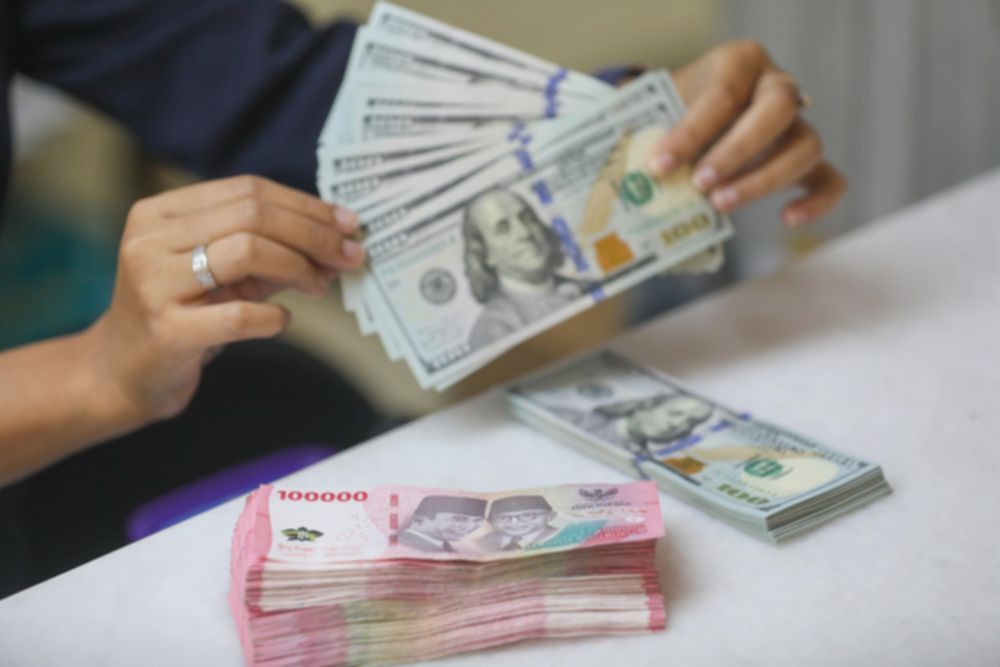

JAKARTA — Bank Indonesia (BI) has reaffirmed its commitment to stabilizing the rupiah as the currency faces significant downward pressure. To bolster the exchange rate, the central bank is actively intervening in the markets while introducing tighter regulations on foreign currency purchases.
According to TradingView data, the rupiah weakened by 0.53% to reach Rp17,879 per US dollar in offshore trading on Friday, May 22, 2026. This depreciation coincided with the public holiday period surrounding the 1447 H Eid al-Adha celebrations.
Ramdan Denny Prakoso, Head of the Communication Department at Bank Indonesia, stated that the ongoing pressure on the rupiah is driven by two primary factors: global geopolitical sentiment and domestic seasonal demand for foreign currency. Externally, uncertainty remains high due to the escalation of conflict in the Middle East.
Read also: Rupiah Stumbles to Rp17,879 per US Dollar Amid Fiscal Market Sentiments
“Furthermore, we are seeing a seasonal spike in foreign exchange demand, particularly for foreign debt (ULN) repayments and dividend repatriations, occurring while US dollar inflows remain limited,” Denny explained in a statement on Friday, May 29, 2026.
In response to these pressures, Ramdan emphasized instructions from BI Governor Perry Warjiyo, confirming that the central bank remains vigilant in safeguarding exchange rate stability “around the world, around the clock.”
Read also: Rupiah Softens to Rp17,860 as Iran-US Tensions Ease
The stabilization strategy involves optimizing market interventions through Non-Deliverable Forward (NDF) transactions in offshore markets, spot transactions, Domestic Non-Deliverable Forward (DNDF) trading in domestic markets, and the purchase of government securities (SBN) in the secondary market.
To further bolster the economy, the central bank has strengthened its monetary policy mix by setting pro-market interest rates. This is deemed crucial to maintaining the appeal of domestic financial assets and ensuring the continued flow of foreign capital into the country.
Read also: Weakening Rupiah Boosts Tourism Interest but Hurts Ancillary Sectors
Notably, during the May 2026 Board of Governors Meeting, the central bank raised the benchmark BI Rate by 50 basis points to 5.25%.
Tightening Foreign Currency Purchases
Beyond interest rate adjustments, BI is acting to curb speculation and reduce unproductive demand for the US dollar by introducing a new policy on foreign exchange purchase thresholds.
Denny clarified that Bank Indonesia has capped cash purchases of foreign currency against the rupiah—without an underlying real-sector need—at a maximum of US$25,000 per entity per month. This new regulation will take effect in June 2026.
In conjunction with this policy, the central bank is intensifying its oversight of market participants. “Bank Indonesia continues to strengthen coordination with relevant authorities to support financial market and exchange rate stability, including enhanced supervision of banks and corporations with high volumes of US dollar purchasing activity,” Denny added.
Looking ahead, BI remains committed to closely monitoring domestic and global financial market dynamics. The central bank stands ready to implement strategic measures necessary to dampen rupiah volatility and ensure the external resilience of the national economy.
Summary
Bank Indonesia is actively working to stabilize the rupiah, which recently weakened to Rp17,879 per US dollar due to global geopolitical tensions and seasonal spikes in foreign currency demand. To address this, the central bank is utilizing market interventions, including spot and derivative transactions, and has increased the benchmark interest rate to 5.25% to maintain the attractiveness of domestic assets.
To curb speculative activity, Bank Indonesia has introduced a new regulation capping cash purchases of foreign currency without underlying real-sector needs at $25,000 per entity per month, effective June 2026. The central bank is also intensifying its oversight of banks and corporations to ensure financial stability and mitigate excessive volatility in the exchange rate.