Ringkasan Berita:
- Mojtaba Khamenei belum muncul di depan umum setelah terluka di awal perang.
- AS meyakini Mojtaba Khamenei “semakin terlibat pada tingkat tertentu.”
- Kini proses pengambilan keputusan internal Iran disebut sangat terpusat.
99 Tekno – The mysterious public absence of Mojtaba Khamenei, Iran’s potential future Supreme Leader, continues to fuel speculation and impact critical diplomatic talks. Following injuries sustained early in the ongoing conflict, Khamenei has remained out of the public eye. Despite this, the U.S. believes he is “increasingly involved at some level,” a dynamic that further complicates Iran’s already highly centralized decision-making process.
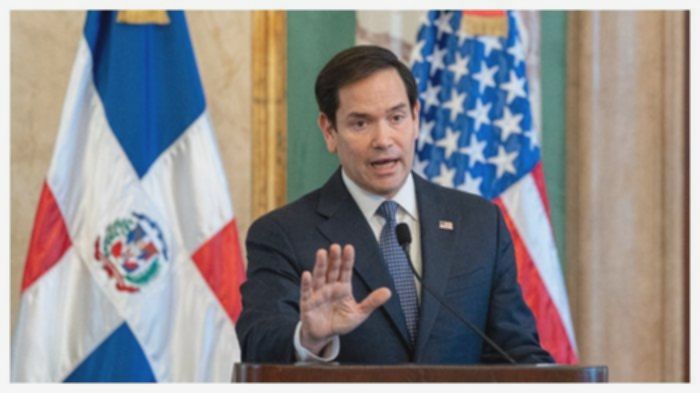
On Tuesday, June 2, 2026, U.S. Senator Marco Rubio affirmed that Mojtaba Khamenei is alive. Speaking during a Senate Foreign Relations Committee hearing, Rubio expressed his conviction that Khamenei is “increasingly involved at some level,” even though he has not made a public appearance since being wounded at the conflict’s outset. “We haven’t seen him in public,” Rubio told lawmakers, as reported by Anadolu Agency, “and I would imagine, given what has happened to some leaders in that system, appearing in public may not be something that is internally suggested for them.”
Rubio further elaborated on the enigmatic leader’s status: “But even despite that, I think there are indications out there that he is increasingly involved at some level, although all of his communications thus far have been in writing and through intermediaries.” This intelligence aligns with assessments from U.S. officials, conveyed via CBS News, suggesting Khamenei is “basically in hiding” at a secret location with limited external access. His severe injuries occurred during the U.S.-Israel attack on Iran on February 28, 2026, an assault that tragically resulted in the death of his father, the former Supreme Leader Ali Khamenei. Mojtaba Khamenei has reportedly not been seen or heard publicly since before the war commenced.
The internal decision-making framework within Iran is characterized as highly centralized, a structural factor that profoundly influences the pace of diplomatic engagements. Messages from negotiators must typically be relayed back to a governing council for approval before any official response can be issued. Rubio underscored this procedural bottleneck, explaining that whatever is brought to or taken from U.S. negotiators by figures such as (Abbas) Araghchi and (Mohammad Bagher) Ghalibaf “then has to go back to this council and ultimately get direction from them, and that process often takes three to five days to get a response.”
This intricate and time-consuming communication chain is widely believed to be a primary reason for delays in announcing any potential agreement between the U.S. and Iran. While Senator Rubio and U.S. President Donald Trump maintain that negotiations with Iran are ongoing, Iranian media outlets reported on the same Tuesday that the exchange of messages between the two nations had stalled for at least several days. These diplomatic complexities unfold as Washington and Tehran diligently work to transform a fragile ceasefire into a more comprehensive and lasting agreement, following months of intense conflict.
The hostilities originally erupted on February 28, 2026, with a joint U.S.-Israel attack on Iran. Since the war began, Iranian authorities have reported a devastating toll of over 3,000 lives lost. In a series of retaliatory actions, Iran launched strikes targeting Israel and U.S. allies in the Gulf, concurrently moving to close the strategic Strait of Hormuz. These retaliatory measures resulted in the deaths of at least 13 U.S. military personnel.
A ceasefire, effectively brokered by Pakistan, came into effect on April 8. However, subsequent discussions held in Islamabad failed to yield a durable agreement. Despite these diplomatic setbacks, the relentless pursuit of a peaceful resolution has continued. The challenge is further exacerbated by Mojtaba Khamenei’s reliance on a complex network of intermediaries and couriers, which significantly hinders Iran’s capacity for swift responses to U.S. proposals. Even Iranian officials actively involved in negotiations with the Trump administration reportedly encounter internal communication hurdles within their own government system, further impeding any tangible progress.
 Mojtaba Khamenei Disebut Sembunyi di Bunker
Despite these formidable communication barriers and the secrecy surrounding his operations, a senior U.S. administration official informed CBS that Mojtaba Khamenei has reportedly approved the general outline of the current draft agreement. This development offers a faint glimmer of hope amidst the persistent difficulties posed by the secretive leader’s methods and the highly centralized nature of Iran’s governance, underscoring the delicate and protracted path toward a lasting peace in the region.
Summary
Mojtaba Khamenei, Iran’s potential future Supreme Leader, has remained publicly absent since sustaining injuries in a U.S.-Israel attack on February 28, 2026. Despite this, U.S. Senator Marco Rubio confirmed on June 2, 2026, that Khamenei is alive and “increasingly involved” at some level. He communicates via writing and intermediaries from a secret location, following severe injuries sustained in the attack that also killed his father, the former Supreme Leader.
Iran’s highly centralized decision-making process, compounded by Khamenei’s reliance on intermediaries, significantly delays diplomatic progress with the U.S. Messages must undergo council approval, causing three-to-five-day response times in ongoing negotiations to secure a lasting agreement. However, a U.S. official reported that Mojtaba Khamenei has reportedly approved the general outline of the current draft agreement.