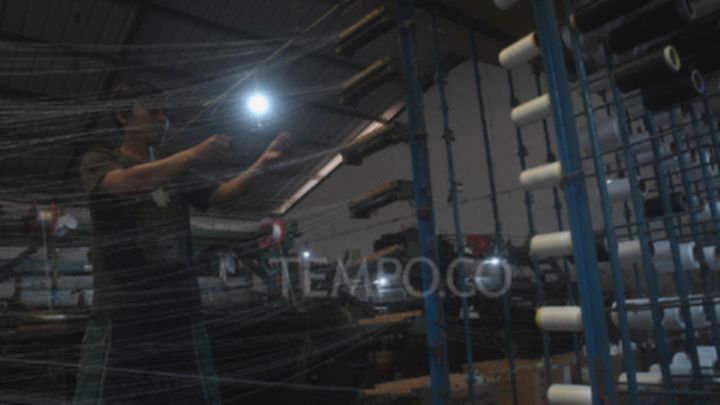

Minister of Finance Purbaya Yudhi Sadewa has officially signed Minister of Finance Regulation (PMK) Number 37 of 2026, establishing a safeguard import duty (BMPT) on imported yarn products—excluding sewing thread—made from synthetic and artificial staple fibers. This fiscal policy is designed as a state levy intended to recover losses or preempt potential threats to the domestic textile industry caused by a significant surge in imported goods.
This regulation follows the expiration of the previous safeguard measures outlined in PMK Number 46 of 2023. As stated in the new regulation on Monday, June 1, 2026, the policy was enacted after the Indonesian Trade Safeguard Committee recommended the imposition of these duties, a proposal subsequently adopted by the Minister of Finance at the request of the Minister of Trade.
The BMPT acts as an additional levy, applied on top of standard Most Favoured Nation (MFN) import duties and any existing preferential duties stipulated by international trade agreements. However, the regulation provides exemptions for 123 developing countries that are members of the World Trade Organization, including nations such as Bangladesh, Brazil, the United Arab Emirates, and South Africa.
These safeguard duties specifically target imported yarn products classified under tariff codes 5509.22.00, 5509.32.00, 5509.51.00, 5509.53.00, 5510.12.00, and 5510.90.00. The duties are set to be enforced for a two-year period, retroactive to the regulation’s effective date of May 22, 2026.
The duty structure is tiered to ensure a gradual transition for the market. For the first year, covering the period from May 22, 2026, to May 21, 2027, the import duty is set at Rp 324 per kilogram. This rate will then decrease in the second year, from May 22, 2027, to May 21, 2028, to Rp 308 per kilogram.
Editor’s Choice: Government Debt Approaches Rp 10,000 Trillion: What Are the Risks?
Summary
Minister of Finance Purbaya Yudhi Sadewa has introduced Regulation Number 37 of 2026, which imposes a safeguard import duty on imported synthetic and artificial staple fiber yarns. This policy aims to protect the domestic textile industry from the negative impacts of surging imports following the expiration of previous measures. The duties are applied as an additional levy on top of standard tariffs, with specific exemptions for 123 developing countries as defined by the World Trade Organization.
The regulation covers specific tariff codes and will remain in effect for a two-year period starting retroactively from May 22, 2026. The duty is structured on a tiered basis, set at Rp 324 per kilogram for the first year and decreasing to Rp 308 per kilogram for the second year. This initiative was enacted based on recommendations from the Indonesian Trade Safeguard Committee to stabilize the local market.