
The Danantara Indonesia Investment Management Agency, also known as Danantara Indonesia, has unveiled a three-pillar strategic plan following the government’s mandate to oversee a centralized export gateway for strategic natural resources. Beginning June 1, 2026, these operations will be managed through its subsidiary, PT Danantara Sumberdaya Indonesia (DSI).
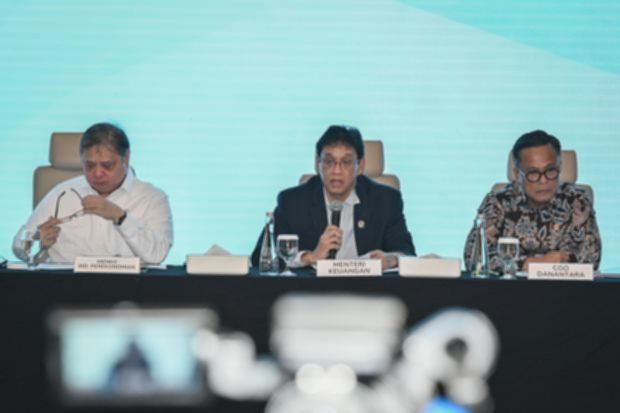
Dony Oskaria, Chief Operating Officer of Danantara Indonesia, emphasized that the primary objective during the initial transition period is establishing a foundation of transparency and accountability. “At PT Danantara Sumberdaya Indonesia, our foremost priority is ensuring that all company operations strictly adhere to principles of good governance, transparency, and accountability,” Oskaria stated during a press conference in Jakarta on Sunday (May 31).
Under this new mandate, DSI has been designated to oversee export transactions for critical national commodities. The initial phase of this program focuses on three key exports: coal, crude palm oil (CPO), and ferroalloys.
Strategic Roadmap: Organization and Technology
To support this transition, Danantara is focusing on two additional critical pillars: organizational capacity and technological integration. The agency is currently finalizing the recruitment of a specialized team tailored to the nuances of commodity trade oversight. Oskaria noted that the selection process is underway, with further announcements regarding the DSI management team expected shortly.
Complementing these human resource efforts, DSI is developing a robust digital infrastructure to facilitate and monitor exports. “We are developing a sophisticated system to ensure that this significant responsibility—managing Indonesia’s natural resources—is carried out with maximum efficiency and oversight,” Oskaria added.
A Measured Approach: The Transition Phase
The implementation of this mandate will unfold in two distinct stages. The first phase, spanning from June 1 to December 31, 2026, serves as a transition period. During these seven months, DSI will act as a facilitator and appraiser between buyers and sellers, allowing exporters to continue operations while the government fine-tunes the new regulatory framework.
Oskaria praised the government’s measured approach, noting that the seven-month window is essential for ensuring that the transition does not disrupt ongoing business activities. During this period, Danantara plans to engage directly with commodity stakeholders to discuss technical implementations, including price benchmarking and trading mechanisms.
“We are optimistic that the presence of Danantara Sumberdaya Indonesia will ultimately prove beneficial for industry players,” said Oskaria.
Moving Toward Full Implementation in 2027
The government aims for a full-scale rollout by January 2027. In this final phase, DSI will transition into its role as a buyer of domestic commodities, managing the subsequent sale to the international market. Oskaria reiterated that transparent governance remains the cornerstone of the government’s single-door export strategy.
“This is our primary benchmark. We are determined to ensure that a well-intentioned initiative is executed with the highest standards of management to prevent any potential operational challenges,” concluded Oskaria.
Summary
Danantara Indonesia has introduced a three-pillar strategy to manage a centralized export gateway for strategic natural resources, effective June 1, 2026. Managed by its subsidiary, PT Danantara Sumberdaya Indonesia (DSI), this initiative focuses on overseeing the export of coal, crude palm oil, and ferroalloys. The agency is prioritizing transparency, organizational capacity, and the integration of a sophisticated digital infrastructure to ensure efficient commodity trade oversight.
The implementation will occur in two stages, starting with a seven-month transition period where DSI serves as a facilitator between buyers and sellers to maintain operational stability. By January 2027, the agency will transition into its full role as a buyer of domestic commodities for international sale. This measured approach aims to establish high standards of governance while engaging with stakeholders to refine trading mechanisms and price benchmarking.