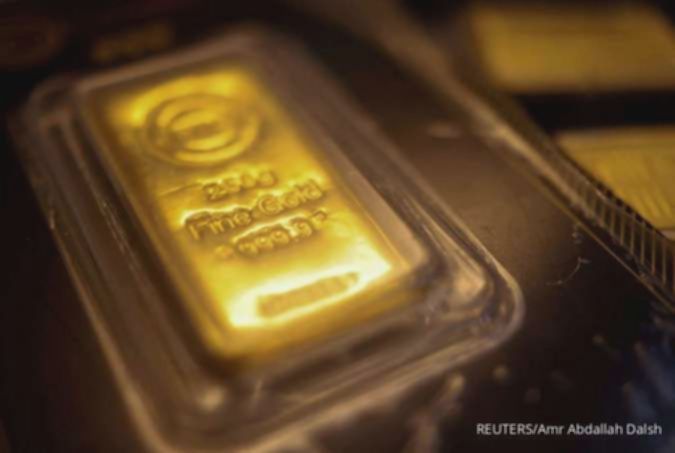

99 Tekno JAKARTA – Global gold prices retreated on Monday, June 1, 2026, as escalating geopolitical tensions between the United States and Iran failed to spark the traditional surge in safe-haven demand.
Instead of driving investors toward the precious metal, the intensifying conflict triggered a rally in crude oil prices and a stronger U.S. Dollar. This combination has heightened market anxieties regarding persistent inflation and the likelihood of prolonged high interest rates, creating a challenging environment for bullion.
Spot gold was down 0.7% at US$ 4,506.49 per ounce as of 11:58 GMT. This decline follows a session on Friday where the metal touched its highest level in two weeks. On a monthly basis, gold prices corrected by nearly 2% through May, marking the third consecutive month of decline.
Gold Prices Dragged Down by Middle East Turmoil, Hitting One-Week Low
Meanwhile, U.S. gold futures for August delivery experienced a sharper decline, falling 1.2% to US$ 4,536.70 per ounce. The primary pressure on gold stems from a strengthening U.S. Dollar, which makes the greenback-denominated metal more expensive for international investors holding other currencies.
Market sentiment shifted abruptly following U.S. military strikes against several Iranian facilities over the weekend. In a retaliatory move on Monday, Iran’s Revolutionary Guard claimed to have targeted U.S. military bases. This exchange of fire comes amid ongoing negotiations that were intended to resolve a conflict that has now spanned three months.
Ricardo Evangelista, an analyst at ActivTrades, noted that market optimism for a diplomatic breakthrough between Washington and Tehran to ease tensions in the Strait of Hormuz is rapidly evaporating. He explained that the renewed hostilities have sent energy prices surging, fueling inflation fears and solidifying expectations that the Federal Reserve will maintain a restrictive monetary policy for an extended period.
Gold Prices Plunge Mid-Day (6/4) Amid Iranian Conflict Pressure
Brent crude prices jumped by more than 3% following the latest reports of military action. Rising oil prices are a significant driver of inflation, which limits the Federal Reserve’s room to maneuver regarding interest rate cuts. While gold is traditionally a hedge against inflation, its appeal diminishes when interest rates remain high because it does not provide a yield like other financial instruments.
Traders are now beginning to factor in the possibility of further U.S. rate hikes this year. According to the CME FedWatch Tool, there is currently a 39% probability of a 25-basis-point rate hike in December. Investor focus is now shifting to a series of high-impact events scheduled for this week, including speeches by Federal Reserve officials and the release of key economic indicators, such as the ISM manufacturing survey and the highly anticipated May nonfarm payrolls report due this Friday.
Gold Prices Drop 1.2% as Oil Surges, Markets Fear Rising Global Interest Rates
In contrast to gold’s downward trajectory, other precious metals showed resilience. Silver rose 0.6% to US$ 75.69 per ounce, while platinum gained 1.3% to reach US$ 1,941.15 per ounce. Palladium remained stable, trading at US$ 1,355 per ounce.
Summary
Global gold prices fell on June 1, 2026, with spot gold dropping 0.7% to $4,506.49 per ounce despite escalating tensions between the United States and Iran. The conflict failed to trigger traditional safe-haven demand, instead fueling a rally in crude oil and strengthening the U.S. Dollar. This combination pressured the precious metal, contributing to its third consecutive month of price declines.
Rising energy costs have heightened fears of persistent inflation, leading investors to expect prolonged high interest rates from the Federal Reserve. High interest rates diminish the appeal of non-yielding assets like gold, as markets shift focus to upcoming economic data and central bank speeches. Traders are currently monitoring potential rate hike probabilities and key manufacturing reports scheduled for the week.