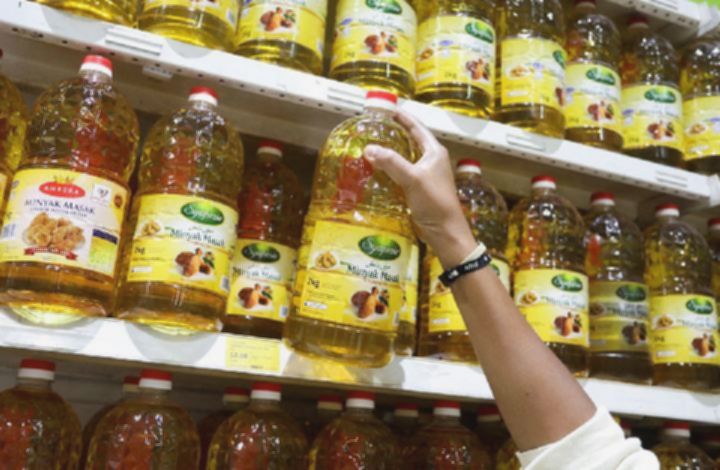

The Indonesia Eximbank Institute has highlighted the remarkable resilience of Indonesia’s coconut oil export performance, noting its ability to remain stable despite global supply chain pressures and fluctuating production levels. According to the institute’s latest sectoral study, Indonesia remains the world’s second-largest exporter of coconut oil. The nation holds a steady global market share of approximately 22 percent as of 2025, covering both crude coconut oil (HS 1513.11) and refined coconut oil (HS 1513.19).
Rini Satriani, Head of the Indonesia Eximbank Institute, noted that while the volume of coconut oil shipments saw an 18 percent decline from January to December 2025, the total export value surged by over 43 percent during the same period. This paradox highlights a significant increase in export revenue despite lower output.
This growth in value is primarily attributed to rising prices driven by a limited supply of raw materials and domestic constraints. These shortages were exacerbated by El Niño, which forced several processing plants to temporarily reduce their production capacities, subsequently fueling upward price pressure in the export market, explained Rini in a statement on Sunday, May 31, 2026.
In the global rankings, Indonesia maintains its second-place position with a 22 percent market share, trailing behind the Philippines, which leads with 49 percent, while the Netherlands holds the third spot with 10 percent. Amid this competitive landscape, Indonesia’s refined coconut oil remains highly resilient.
Rini emphasized that Indonesia benefits from a highly diversified export market, reaching more than 90 destination countries. This broad reach reduces dependence on any single market and strengthens the country’s bargaining power. Key destinations include the Netherlands, China, the Philippines, Malaysia, and the United States, with significant potential for further expansion into Europe and non-traditional regions.
Global demand for pure coconut oil continues to rise, fueled by shifting trends toward healthier lifestyles and a growing preference for natural products in the food, cosmetic, and health sectors. As one of the world’s largest coconut producers, Indonesia is well-positioned to penetrate markets that prioritize sustainability, such as the European Union.
The IEB Institute projects a moderate growth of 9 percent in coconut oil export values for 2026. This forecast accounts for the expected recovery in production from competitors like the Philippines and the gradual normalization of global coconut prices. To maintain this momentum, Rini stresses the importance of implementing strategic measures to solidify Indonesia’s global standing.
Despite the positive outlook, the sector faces structural challenges regarding the security of raw material supplies. National production is currently hampered by aging coconut trees, low productivity among smallholder farmers, the impacts of extreme weather, and the rising volume of whole coconut exports.
Addressing these issues through plantation rejuvenation and strengthening downstream industries remains a key strategy for ensuring long-term sustainability. The government has already begun revitalization efforts, achieving the rejuvenation of approximately 44.9 thousand hectares in 2024, with ambitious plans to expand replanting programs to hundreds of thousands of hectares between 2026 and 2027.
By bolstering the coconut processing industry, Indonesia aims to add value to its exports, maximize the use of domestic raw materials, and increase the competitiveness of its products. Through policy support, targeted replanting, and enhanced processing capacity, Indonesia is poised to maintain its status as a leading player in the global coconut oil market.
Editor’s Choice: The Negative Primary Balance of the State Budget: What Does It Mean?
Summary
Indonesia has maintained its position as the world’s second-largest exporter of coconut oil, commanding a 22 percent global market share. Despite an 18 percent decline in shipment volumes throughout 2025, the total export value surged by over 43 percent, driven primarily by rising global prices due to raw material shortages and the impacts of El Niño.
To sustain this growth, Indonesia leverages a diverse market of over 90 countries and is focusing on downstream industrial development to add value to its exports. The government is currently addressing structural supply challenges, such as aging trees and low productivity, by implementing extensive plantation rejuvenation programs to ensure long-term competitiveness in the global market.