
The Indonesian government officially implemented new regulations regarding the placement of Export Proceeds from Natural Resources (DHE SDA) effective Monday, June 1, 2026. Under this updated policy, exporters are now mandated to repatriate and deposit their export earnings within the country, specifically utilizing the state-owned banking consortium known as Himbara.
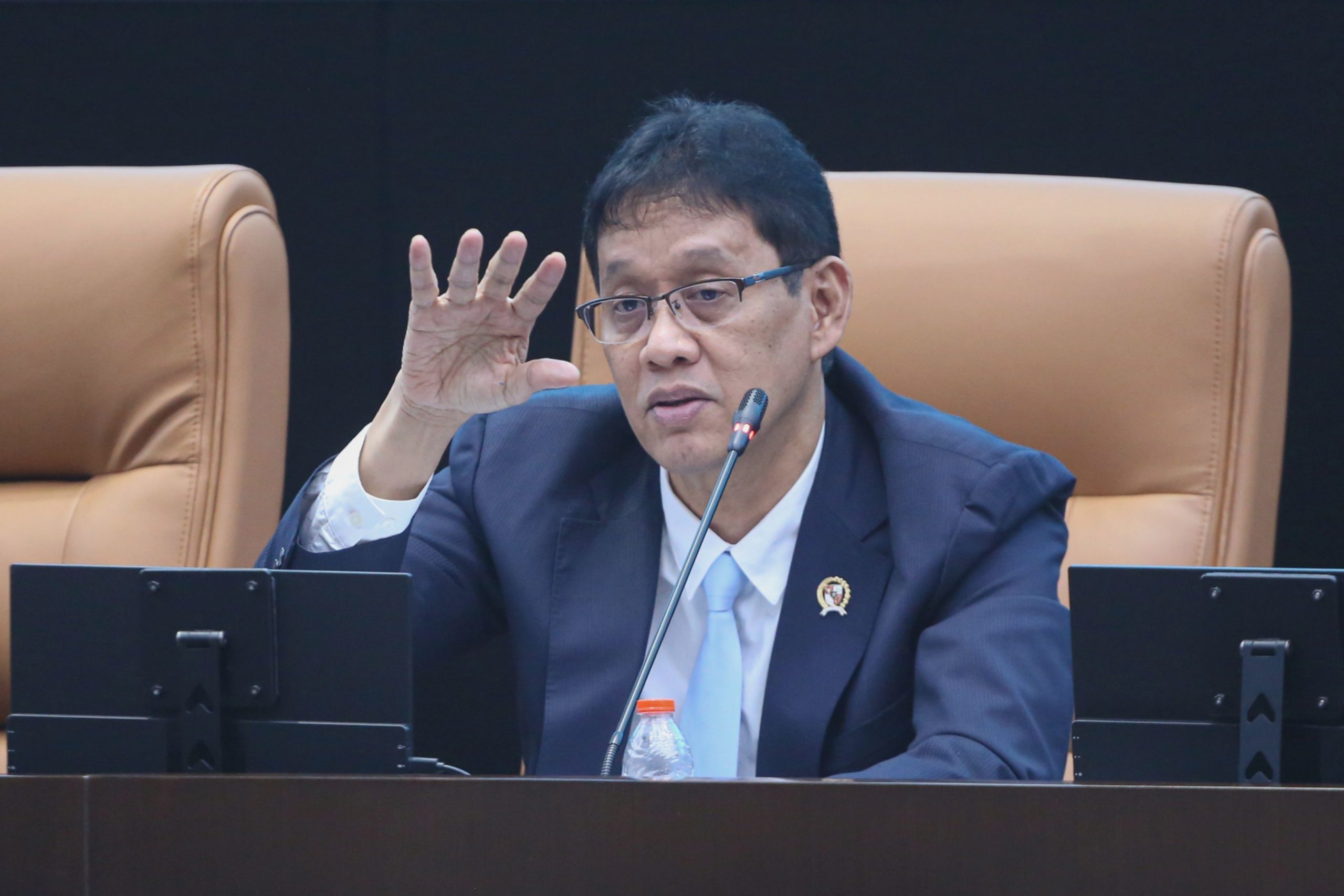
Minister of Finance Purbaya Yudhi Sadewa confirmed that the policy took effect as scheduled on June 1, 2026, despite the date falling on a public holiday. He emphasized that since export operations remain active, the implementation of these new requirements must proceed according to the government’s timeline.
This policy is formalized under Government Regulation Number 21 of 2026, which stipulates that natural resource exporters must achieve a 100% compliance rate for the repatriation of their export proceeds. For non-oil and gas exporters, the regulation requires that 100% of these proceeds be placed in domestic special accounts for a minimum period of 12 months. Meanwhile, oil and gas exporters are required to place at least 30% of their DHE SDA in domestic accounts for a minimum of three months.
“The placement of DHE SDA is mandatory through Himbara banks,” Purbaya stated during a press conference held on Sunday, May 31. Beyond the mandatory placement, the government has also capped the conversion of these foreign currency proceeds into rupiah at a maximum of 50%.
To maintain flexibility, the government is offering specific relaxations for exporters working with trading partners that have existing bilateral agreements or trade cooperation frameworks with Indonesia. Under these specific arrangements, exporters may be permitted to place up to 30% of their DHE SDA outside of Himbara banks for a duration not exceeding three months.
To incentivize compliance, the government has introduced significant tax benefits. Exporters who adhere to these domestic placement requirements can benefit from reduced income tax rates on their proceeds, with rates as low as 0% depending on the duration of the deposit. This is a substantial improvement compared to standard investment instruments, such as regular bonds, which are typically subject to tax rates of up to 20%.
This strategic move is designed to boost domestic foreign exchange liquidity and channel export proceeds into the national banking system to support the domestic economy. By requiring these funds to be held locally, the government aims to strengthen the stability of the rupiah against global market volatility and expand the financing capacity available to the national banking sector.
Related Articles:
- One-Door Export Policy for 3 Strategic Commodities Begins June 1: What are the Stages?
- Effective June 1: Danantara to Control Palm Oil, Coal, and Ferroalloy Exports
- Vice Minister of Tourism Highlights Weak Rupiah as Tourism Driver, Economists Warn of Durability
Summary
Effective June 1, 2026, the Indonesian government has mandated that all export proceeds from natural resources (DHE SDA) must be repatriated and deposited into state-owned Himbara banks. Under Government Regulation Number 21 of 2026, non-oil and gas exporters are required to hold 100% of these proceeds in domestic accounts for at least 12 months, while oil and gas exporters must deposit at least 30% for a minimum of three months. The policy also limits the conversion of these foreign currency proceeds into rupiah to a maximum of 50%.
To support compliance, the government is offering significant tax incentives, including potential 0% income tax rates on deposits depending on the holding duration. While the policy aims to boost domestic foreign exchange liquidity and stabilize the rupiah, certain exceptions exist for exporters with specific bilateral trade agreements, allowing limited flexibility for off-shore deposits. This strategic shift is designed to strengthen the national banking sector and enhance overall economic stability.