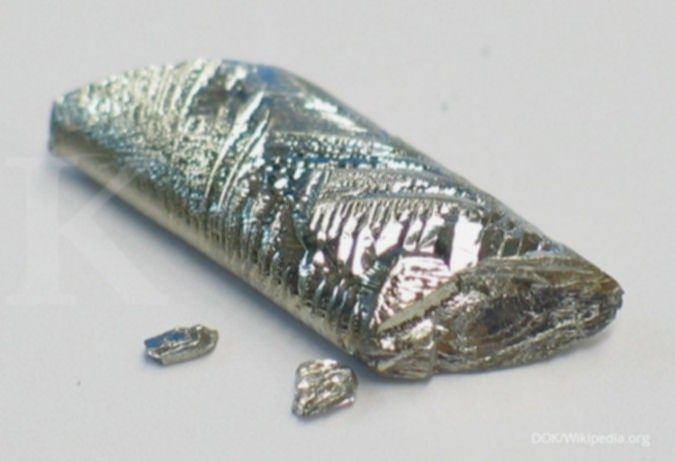

JAKARTA – Palladium futures have dipped below US$1,400 per troy ounce, snapping a brief period of price stabilization. This downward trend comes as investors weigh the inflationary pressures of rising energy costs against the growing likelihood that interest rates will remain elevated for a prolonged period.
Global economic uncertainty has been exacerbated by recent United States military strikes against targets in Iran near the Strait of Hormuz. These geopolitical tensions have stoked fears regarding potential disruptions to global energy supplies, driving Brent crude oil prices up by 2% to US$96.15 per barrel. Consequently, market analysts expect that major central banks may delay plans for monetary easing to combat the resulting inflationary climate.
Gold and Silver Weaken as a Robust US Dollar Pressures Precious Metals
According to data from Tradingeconomics on Thursday, May 28, the strengthening US dollar, combined with an optimistic outlook for higher Treasury yields, has dampened investor sentiment toward non-yielding assets like precious metals. As capital shifts toward interest-bearing alternatives, commodities like palladium have faced significant downward pressure.
Despite these headwinds, palladium retains fundamental support from persistent supply constraints. Ongoing production challenges in South Africa, coupled with continued uncertainty surrounding Russian exports, keep supply-side concerns at the forefront of the market, providing a floor for prices.
While the recent decline has impacted short-term performance—with prices retreating 6.19% over the past month—the metal maintains a strong long-term position. Currently, palladium prices remain 42.87% higher compared to this time last year, reflecting the enduring tightness in the global supply chain.
Summary
Palladium futures have fallen below US$1,400 per troy ounce as investors react to expectations of prolonged high interest rates and inflationary pressures. Global economic uncertainty, fueled by geopolitical tensions in the Middle East and rising energy costs, has prompted markets to anticipate that central banks will delay monetary easing. A stronger US dollar and increasing Treasury yields have further dampened investor interest in non-yielding precious metals.
Despite this short-term downward trend, the metal continues to receive support from persistent global supply constraints. Ongoing production challenges in South Africa and uncertainty regarding Russian exports provide a critical floor for prices. Although palladium has retreated over the past month, it remains significantly higher on a year-over-year basis, reflecting long-term tightness in the supply chain.