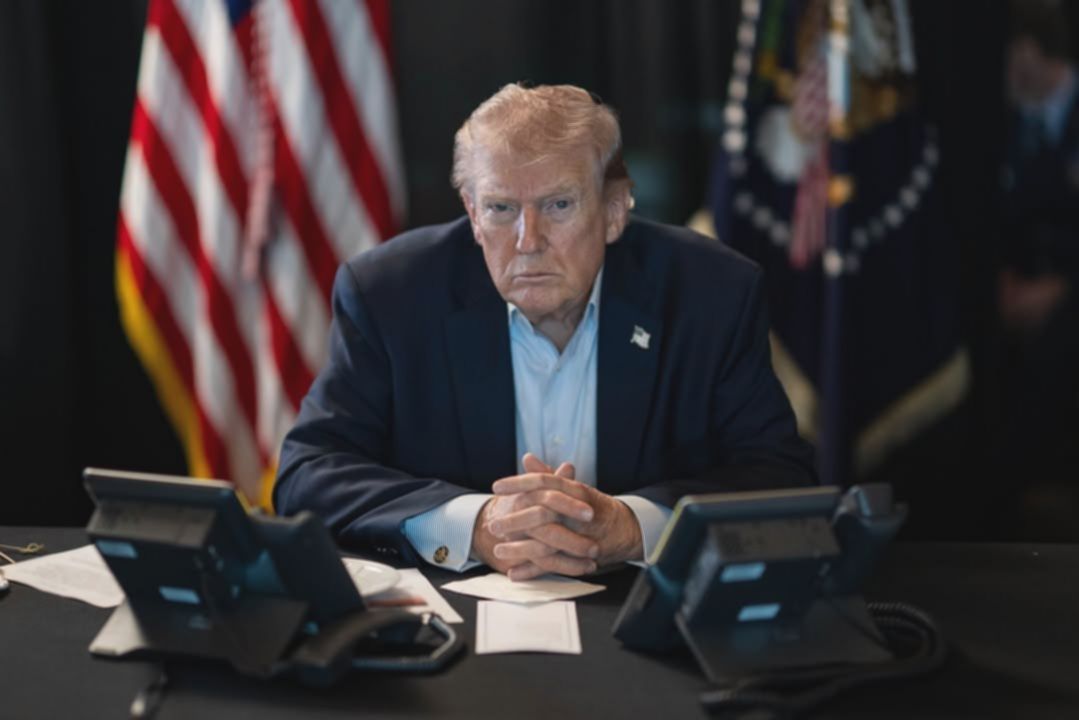

US President Donald Trump is facing mounting pressure to secure a swift deal with Iran as surging energy costs drive up gasoline prices across the United States ahead of the critical November congressional elections. The ongoing closure of the Strait of Hormuz, a consequence of the conflict that ignited in late February, has severely disrupted global oil supplies. This volatility has translated into rising living costs, fueling voter frustration and placing the President in a precarious political position.
Despite the urgency to stabilize energy markets, President Trump remains steadfast in his primary condition for any peace agreement: Iran must be permanently barred from developing nuclear weapons. Reports indicate that the White House is weighing a proposal to extend the ceasefire—which has been in effect since early April—by an additional 60 days. This extension is intended to provide negotiators the necessary time to finalize a permanent resolution to the war.
A White House official confirmed that a two-hour meeting regarding the proposal was held in the Situation Room, though a final decision has yet to be announced. According to the official, President Trump is committed to a deal that serves American interests while upholding his red line, reiterating that a nuclear-armed Iran is unacceptable. Meanwhile, senior Iranian sources have signaled that an agreement is within reach, though significant hurdles remain regarding the reopening of the Strait of Hormuz and the neutralization of Iran’s nuclear capabilities.
The semiofficial Iranian news agency, Fars, has framed these demands as a political maneuver, characterizing Trump’s insistence on ending the nuclear program and reopening the Strait as an attempt to project a victory. Iran has expressed a willingness to reopen the vital waterway if the United States lifts its blockade on Iranian vessels. US Treasury Secretary Scott Bessent has previously suggested that such a blockade could be eased in phases, contingent upon the successful reopening of the Strait.
Negotiations are further complicated by fiscal disputes. While Fars reported a potential agreement to release 12 billion dollars in frozen Iranian assets, President Trump has maintained a firm stance against financial concessions until further notice. This tension reportedly involves conflicting demands over toll payments for the Strait, war damage compensation, and the unfreezing of assets. Additionally, Tehran continues to push for a broader resolution that includes the lifting of sanctions, the withdrawal of US troops from the region, and a ceasefire in Lebanon.
Trump Caught Between Energy Pressures and Political Fallout
The President finds himself in an increasingly difficult bind. He is under immense pressure to restore the flow of oil through the Strait of Hormuz to lower domestic gas prices and ease economic anxiety. Simultaneously, he risks significant backlash from hardliners within the Republican Party if he is perceived as offering excessive concessions to Tehran.
Since the conflict between the US, Israel, and their adversaries began on February 28, the human and economic toll has been staggering. Thousands have lost their lives in Iran and Lebanon, while global markets remain rattled by the instability in the Middle East. Israel’s military campaign, which aims to neutralize Iranian-backed Hezbollah militants, has resulted in hundreds of thousands of people being displaced. Official figures from Lebanon report over 3,200 fatalities, while Israel has confirmed the loss of 23 soldiers and four civilians.
Summary
President Donald Trump faces significant political pressure as rising gasoline prices and global oil supply disruptions, caused by the closure of the Strait of Hormuz, impact the American economy ahead of the November congressional elections. The administration is currently considering a 60-day extension to the existing ceasefire to facilitate negotiations for a permanent resolution. However, the President remains firm on his requirement that Iran must be permanently prevented from developing nuclear weapons.
Negotiations between the U.S. and Iran remain complex due to disputes over the reopening of the Strait of Hormuz, the potential unfreezing of Iranian assets, and broader demands regarding sanctions and regional military presence. While officials suggest that an agreement is possible, the President must navigate the delicate balance between stabilizing energy markets and avoiding political backlash from those opposed to making concessions to Tehran.