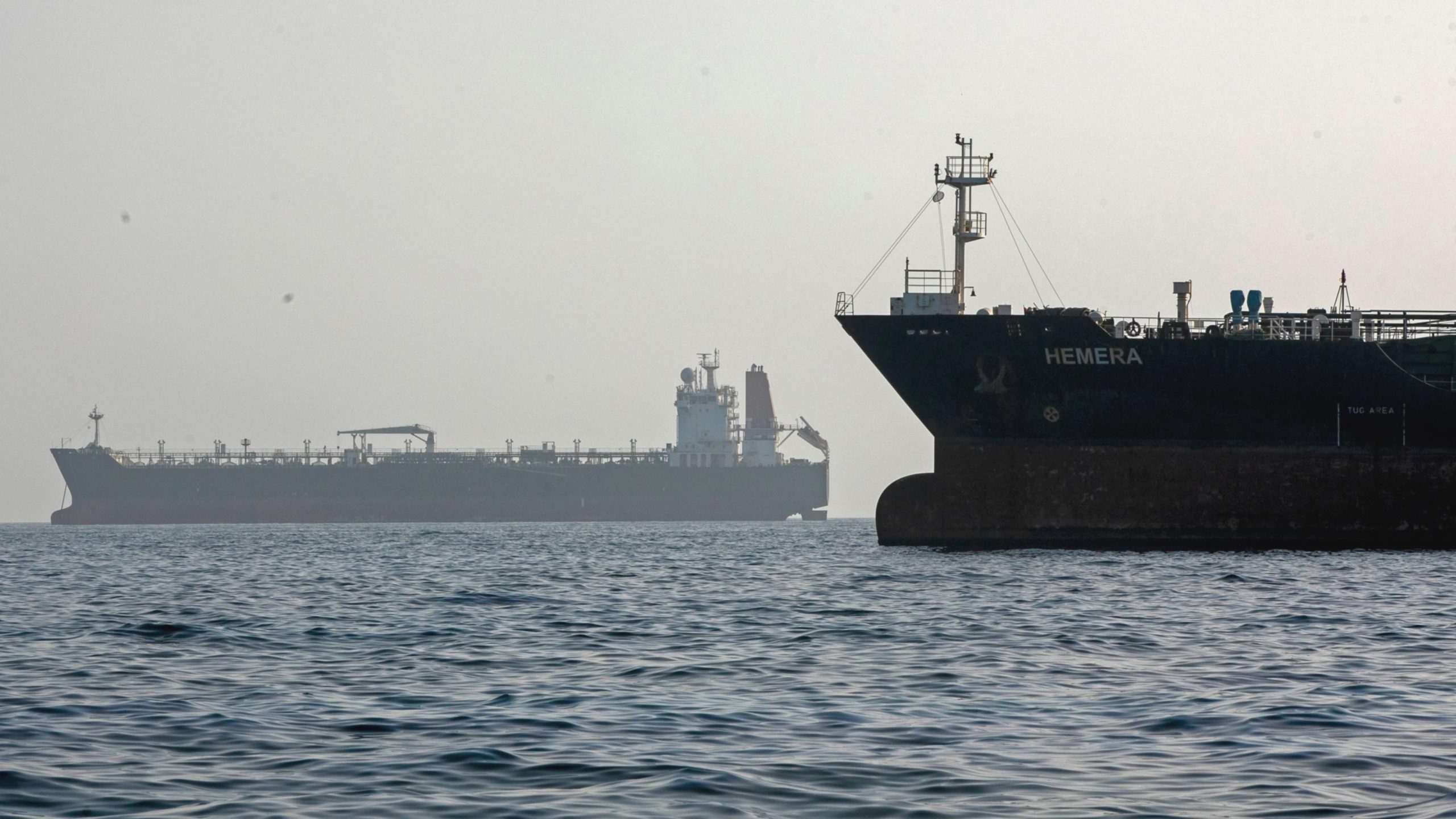

Tensions in the Strait of Hormuz have reached a fever pitch following a series of military engagements over the weekend. The United States claims to have struck multiple Iranian military sites, while Tehran asserts it retaliated by targeting a U.S. base. This marks the third major escalation in the region within a single week, further destabilizing one of the world’s most critical maritime corridors.
The U.S. Central Command (Centcom) characterized its actions as “defensive strikes” taken in response to what it labeled “aggressive Iranian acts,” including the downing of a U.S. drone over international waters. According to Centcom, fighter jets targeted Iranian air defense systems, a ground control station, and two additional drones that posed “a clear threat to ships transiting regional waters.” The military confirmed that no U.S. personnel were injured during these operations.
Tehran’s response was swift. The Islamic Revolutionary Guard Corps (IRGC) announced that it had targeted an airbase used by U.S. forces, citing it as the launch point for strikes against Iranian communication towers on Sirri Island in the Gulf, located approximately 65km from the southern coast. While the IRGC did not disclose the precise location of the targeted airbase, it warned through the semi-official Fars news agency that any further “aggression” by the U.S. would trigger a response that is “entirely different” in nature.
The fallout extended to Kuwait, which hosts U.S. military facilities. The Kuwaiti military reported on Monday that it was “confronting hostile missile and drone attacks,” with state news agency KUNA noting that air raid sirens were activated nationwide. While specific details remain sparse, Tehran had previously targeted a base in Kuwait last week in response to U.S. strikes aimed at preventing Iranian vessels from laying mines in the shipping lanes.
Amidst the growing conflict, Donald Trump issued a statement on Truth Social on Monday morning, urging his critics to “sit back and stay calm.” He expressed optimism that the situation would resolve favorably, asserting that Iran is “desperate to make a deal, and it will be a good one for the U.S.”
Despite these public assurances, diplomatic efforts have stalled. Negotiations to end the months-long conflict failed to gain traction over the weekend. Reports from CBS News indicate that President Trump has requested significant modifications to the terms of a potential agreement. These revisions reportedly center on securing shipping lanes in the Strait of Hormuz and mandating the removal of high-grade enriched uranium. The White House has not yet responded to requests for comment, while Iranian negotiators insist that Tehran will not agree to any deal unless its core national rights are fully guaranteed.
The urgency of a resolution is compounded by the economic impact of the conflict. Approximately one-fifth of global oil and liquefied natural gas (LNG) shipments pass through the Gulf. The current de facto trade embargo has triggered a global surge in fuel prices. While a ceasefire was technically in effect as of April 8, both nations remain locked in a volatile cycle of provocation and retaliation.
President Trump and his senior advisors met on Friday to reach a “final decision” on a ceasefire extension framework, but the meeting concluded without a clear path forward. Current proposals under discussion include a 60-day cessation of hostilities, the reopening of the Strait of Hormuz, and a roadmap for resuming negotiations regarding Iran’s nuclear program. Until a formal agreement is reached, the region remains on the precipice of further volatility.
- U.S. strikes Iranian targets for the second time in three days; Tehran denounces the move as a “serious violation of the ceasefire”
- Iran’s “mosquito fleet” challenges the U.S. Navy in the Strait of Hormuz
- As the cost of living climbs due to the U.S.-Iran conflict, specific corporations report trillions in profit
- The mystery of former Iranian President Ahmadinejad’s role in the U.S.-Iran conflict
- “Like prisoners released”: Iranians react with relief as nationwide internet blackouts end
Summary
Tensions in the Strait of Hormuz have escalated following recent military exchanges between the United States and Iran. U.S. forces conducted defensive strikes against Iranian air defense systems and drones in response to the downing of a U.S. aircraft, while Tehran retaliated by targeting a regional airbase and reportedly launching missile and drone attacks that triggered alerts in Kuwait. No U.S. personnel casualties were reported, though the conflict continues to threaten stability in a vital global maritime corridor.
Diplomatic efforts to resolve the crisis have currently stalled as both nations struggle to reach a ceasefire agreement. President Trump has requested revisions to potential terms, focusing on the security of shipping lanes and Iran’s nuclear program, while Tehran maintains that any deal must respect its national rights. As the regional volatility drives a global surge in fuel prices, both countries remain locked in a cycle of provocation, leaving the path toward a lasting resolution uncertain.