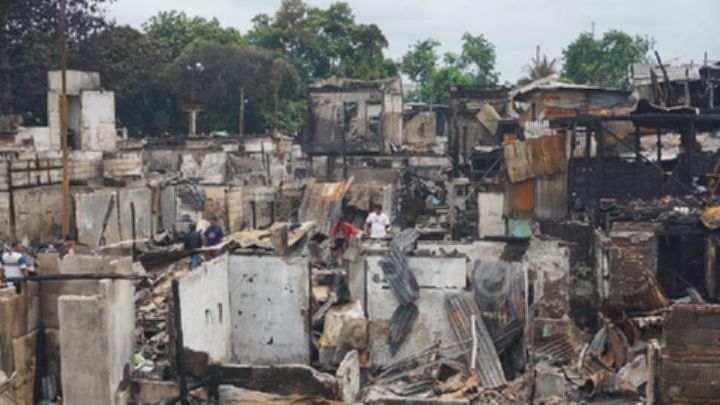

A massive blaze tore through a densely populated residential area in Kampung Pasar Haji Ung, located on Jalan Kemayoran Gempol in the Kebon Kosong sub-district of Central Jakarta. Emergency services received the initial distress call at 8:55 PM, marking the beginning of a desperate effort to contain the inferno.
Preliminary reports indicate that the fire decimated approximately 250 homes across RW 04 and RW 05, displacing around 400 families. The medical toll is significant, with at least six individuals rushed to local hospitals suffering from smoke inhalation.
A large-scale joint operation was immediately launched, involving hundreds of personnel from the Jakarta Fire and Rescue Agency, the Central Jakarta Police, and the military. To combat the rapidly spreading flames, the Jakarta Fire and Rescue Agency deployed 35 fire engines and 165 firefighters, while the Central Jakarta Police provided an additional 200 officers to assist with emergency evacuations and site security.
Reflecting on the scale of the tragedy, Central Jakarta Police Chief Commissioner Reynold Hutagalung stated on Monday, June 1, 2026, that the area’s extreme density—housing an estimated 400 to 500 families—complicated rescue efforts. While the exact cause of the fire remains under investigation, the Kebon Kosong area is widely recognized as a high-risk zone for fire outbreaks due to its cramped housing layout.
This incident is part of a troubling pattern of fire-related disasters in the neighborhood. On January 21, 2025, a massive fire destroyed 543 homes in Gang Laler, forcing 1,797 residents from 607 families to seek shelter elsewhere. Furthermore, just months prior on December 10, 2024, another fire gutted 200 homes, displacing 1,800 people and resulting in 15 injuries.
Fire Hazards and Safety Initiatives in Jakarta
According to the Jakarta Fire and Rescue Agency, electrical short circuits remain the leading cause of fires in the capital. Data recorded up to July 20, 2025, shows 635 fires were triggered by electrical issues. Other recurring causes include gas leaks with 136 recorded cases, burning trash (39 cases), and discarded cigarette butts (32 cases), according to Muhammad Arief, a spokesperson for the agency.
Jakarta Deputy Governor Rano Karno noted that the prevalence of wooden building materials in these congested settlements significantly exacerbates fire risks. He emphasized that the provincial government is actively promoting the installation of portable fire extinguishers (APAR) at the neighborhood (RT) and community (RW) levels.
Rano urged residents to take a proactive role in fire prevention, stating that empowering the community to safeguard their own homes is essential to curbing the frequency of these devastating urban disasters.
Editor’s Choice: Why Firefighters Are Our Frontline Heroes Today
Summary
A massive fire recently devastated a densely populated residential area in Kebon Kosong, Central Jakarta, destroying approximately 250 homes and displacing nearly 400 families. The emergency response involved 165 firefighters and 35 fire engines, though the neighborhood’s cramped layout significantly hindered rescue operations. At least six individuals were hospitalized due to smoke inhalation, while authorities continue to investigate the official cause of the blaze.
This incident follows a series of destructive fires in the region, largely attributed to electrical short circuits and the prevalence of flammable building materials in congested settlements. In response, local government officials are urging residents to increase fire safety awareness and promote the installation of portable extinguishers at the community level. Officials emphasize that proactive local participation is crucial to mitigating the high risks associated with these densely packed urban zones.