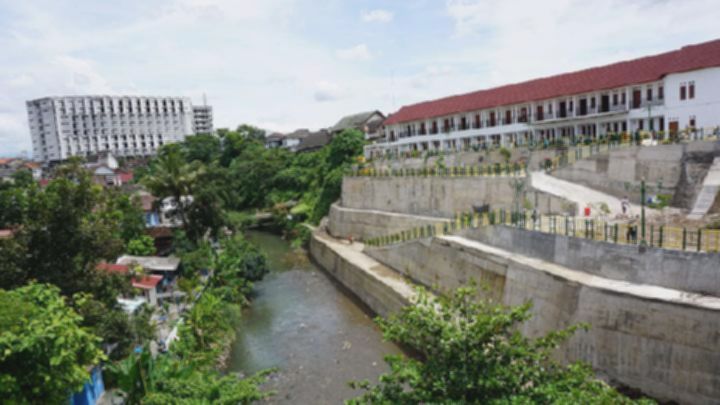

The Yogyakarta City Government is set to launch a comprehensive urban renewal program in the second half of this year, targeting slum revitalization and the transformation of riverbank areas. A centerpiece of this initiative is the implementation of vertical housing, a strategic move designed to mitigate the challenges posed by high population density.
Yogyakarta Mayor Hasto Wardoyo confirmed that the project has received a green light from the Ministry of Housing and Settlement Areas following a site inspection conducted in late May 2026. The revitalization efforts will prioritize the banks of the Code River, where the vertical housing concept will be piloted to create greener, more accessible public spaces that contribute to the mental well-being of local residents.
“The development along the Code River will be a collaborative effort involving the government, local communities, academic institutions, private enterprises, and the Yogyakarta Palace,” Mayor Hasto stated on Monday, June 1, 2026. He noted that approximately four kilometers of the riverbank require structural improvements. Completing this stretch is essential to establish a continuous river inspection road, which will serve both as a vital maintenance route and an emergency access path for residents, linking the borders of Sleman and Bantul through the heart of Yogyakarta.
While the project is estimated to cost around IDR 56 billion, the administration remains optimistic that a multi-stakeholder collaboration will ensure the project’s success. This sense of urgency is shared by the central government; Deputy Minister of Housing and Settlement Areas Fahri Hamzah visited two key locations—the Giwangan area in Umbulharjo and the Code River banks in Gondokusuman—on May 29, 2026, to assess the feasibility of these urban upgrades.
Fahri emphasized that the government is prioritizing land utilization within the city center to prevent the negative consequences of urban sprawl. According to the Deputy Minister, forcing residents to relocate to the outskirts often exacerbates poverty, as those areas frequently lack adequate schools, hospitals, and public infrastructure. “Utilizing land in the middle of the city is the most effective solution, especially for densely populated regions like Java,” Fahri explained.
The ministry’s site assessments are intended to provide concrete recommendations for affordable vertical housing. Because much of the targeted land is state-owned—either by the central government, local authorities, or state-owned enterprises—the cost of development can be significantly reduced through government subsidies. This vertical approach is viewed as a highly efficient use of space, particularly as agricultural land continues to disappear and nearly 60 percent of Indonesia’s population remains concentrated on Java.
Beyond providing housing, the initiative aims to transform previously neglected areas into vibrant environments. “Riverbank areas must remain green and beautiful. Traditionally, slum areas lack organized public spaces; therefore, this revitalization must ensure that these communities gain access to high-quality public areas,” concluded Fahri.
Summary
The Yogyakarta City Government is launching an urban renewal initiative in late 2026 to revitalize slum areas, specifically along the Code River. The program centers on the construction of vertical housing to address high population density while creating greener and more accessible public spaces. This collaborative effort involves multiple stakeholders, including the central government, local communities, and the Yogyakarta Palace, with a project budget estimated at IDR 56 billion.
Government officials emphasize that utilizing urban land for vertical housing is a strategic move to prevent urban sprawl and ensure residents remain near essential services like schools and hospitals. By leveraging state-owned land, the government aims to reduce development costs through subsidies and create efficient, high-quality living environments. Ultimately, the project seeks to transform neglected riverbanks into vibrant, sustainable communities that benefit the local population.