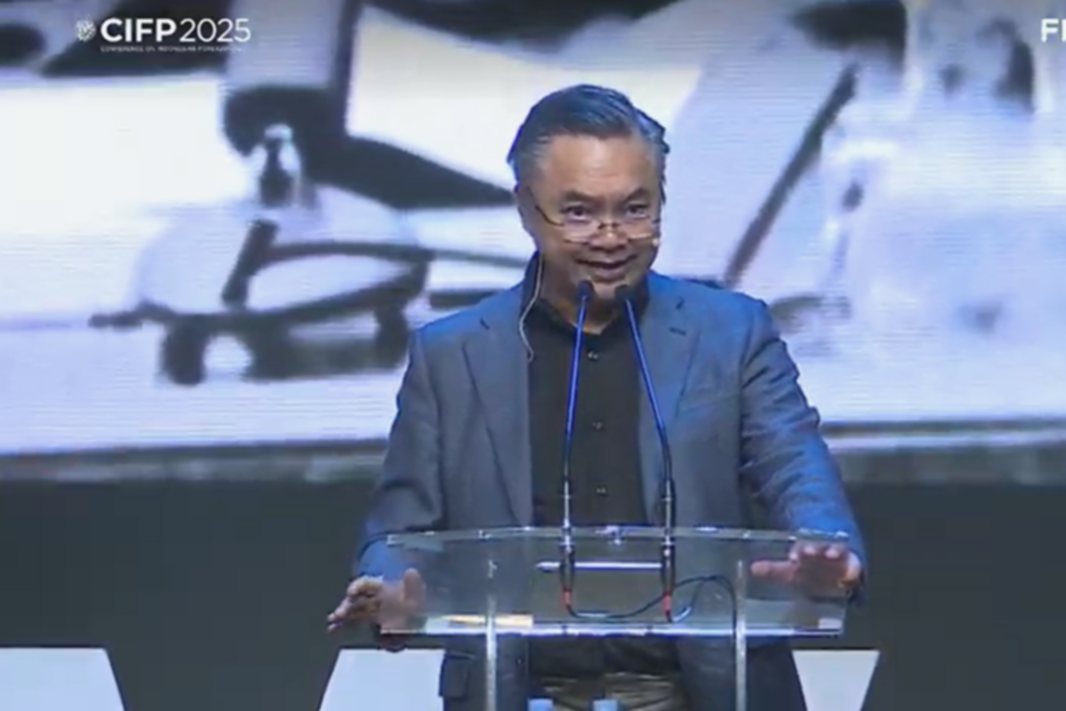

Former Deputy Foreign Minister Dino Patti Djalal has publicly questioned the frequency of President Prabowo Subianto’s international travel. In a recent critique, Djalal argued that the President’s extensive overseas schedule is straining the national budget and suggested that modern technology could serve as a more cost-effective alternative for high-level diplomacy.
Sharing his concerns via an Instagram video, Djalal pointed out that the public is increasingly scrutinizing the hefty price tag associated with these state trips. According to his calculations, President Prabowo has emerged as one of the most frequent travelers among world leaders, spending approximately one out of every six days abroad since taking office. Djalal remarked that such a travel pace is highly unusual and has raised eyebrows regarding its necessity and scope.
The financial implications are significant. Djalal noted that a single international trip incurs staggering costs, encompassing logistical expenses for advance teams, private aircraft, luxury accommodations, security details, protocol staff, and daily stipends for large delegations. He estimated that these missions can easily reach tens or even hundreds of billions of rupiah per trip.
To address these concerns, Djalal proposed five strategic adjustments. His primary recommendation is the increased use of video conferencing and phone diplomacy. He highlighted that many bilateral meetings consist of only one or two hours of substantive discussion, with the remainder consumed by ceremonial protocols. By utilizing digital communication, the government could effectively achieve its diplomatic objectives while saving hundreds of billions in public funds. As a point of reference, he noted that Mexican President Claudia Sheinbaum has held 17 telephone conversations with U.S. President Donald Trump without requiring a direct bilateral visit, despite the U.S. being Mexico’s largest trading partner.
Secondly, Djalal suggested a “1 plus 8” formula for international forums. He believes that when the President attends an international summit, the trip should be leveraged to meet with at least eight other world leaders to maximize the return on travel investment.
Thirdly, he called for greater transparency and professional planning. Djalal observed that several of the President’s recent trips were conducted with minimal prior public notice, suggesting that a more structured and transparent calendar would improve public trust and administrative efficiency.
Fourthly, Djalal proposed that President Prabowo host more state visits in Indonesia rather than constantly traveling abroad. He cited the diplomatic approach of Chinese President Xi Jinping, who frequently hosts international dignitaries in Beijing to assert influence and maintain relationships without constant travel.
Finally, Djalal recommended that Minister of Foreign Affairs Sugiono take on a larger role in executing tactical diplomatic missions. By delegating these tasks to the Foreign Minister, the administration could ensure that the President remains focused on domestic issues while significantly curbing the state’s travel expenditures.
Summary
Former Deputy Foreign Minister Dino Patti Djalal has criticized the frequency of President Prabowo Subianto’s international travel, citing the significant strain these trips place on the national budget. Djalal noted that the President spends roughly one out of every six days abroad, incurring costs that can reach hundreds of billions of rupiah due to large delegations and logistical expenses. He questioned the necessity of this travel pace and emphasized that the public is increasingly concerned about the financial implications.
To address these concerns, Djalal proposed several strategic adjustments, including a shift toward video conferencing and phone diplomacy to replace non-essential bilateral visits. He also recommended adopting a “1 plus 8” formula for international summits, hosting more foreign dignitaries domestically, and delegating more tactical diplomatic missions to the Minister of Foreign Affairs. These measures aim to maximize the return on diplomatic efforts while ensuring that the President remains focused on domestic priorities and fiscal responsibility.