
JAKARTA — The implementation of a single-door export policy through PT Danantara Sumberdaya Indonesia (DSI), which begins in phases on June 1, 2026, has sparked significant debate regarding policy risk and its potential to trigger market sell-offs.
Nafan Aji, a Senior Analyst at Mirae Asset Sekuritas Indonesia, notes that in theory, the policy is designed to narrow the window for transfer pricing practices and the offshoring of export earnings. However, he warns that the ultimate success of this initiative hinges on its execution in the field.
According to Aji, the market remains skeptical that centralizing transactions within a single institution will automatically eliminate risks like under-invoicing. “If DSI’s internal governance fails to meet the compliance standards of a global public company, the potential for misconduct may simply shift from the private sector to this new state-backed institution,” he explained in a research note released on Friday (May 29, 2026).
Beyond governance concerns, the market is wary of the potential burden on business efficiency. In the global commodities trade, transaction speed and delivery certainty are paramount. “If the export verification process becomes overly bureaucratic in the name of transparency, the opportunity cost of delays could prove far more damaging than the losses currently attributed to under-invoicing,” Aji added.
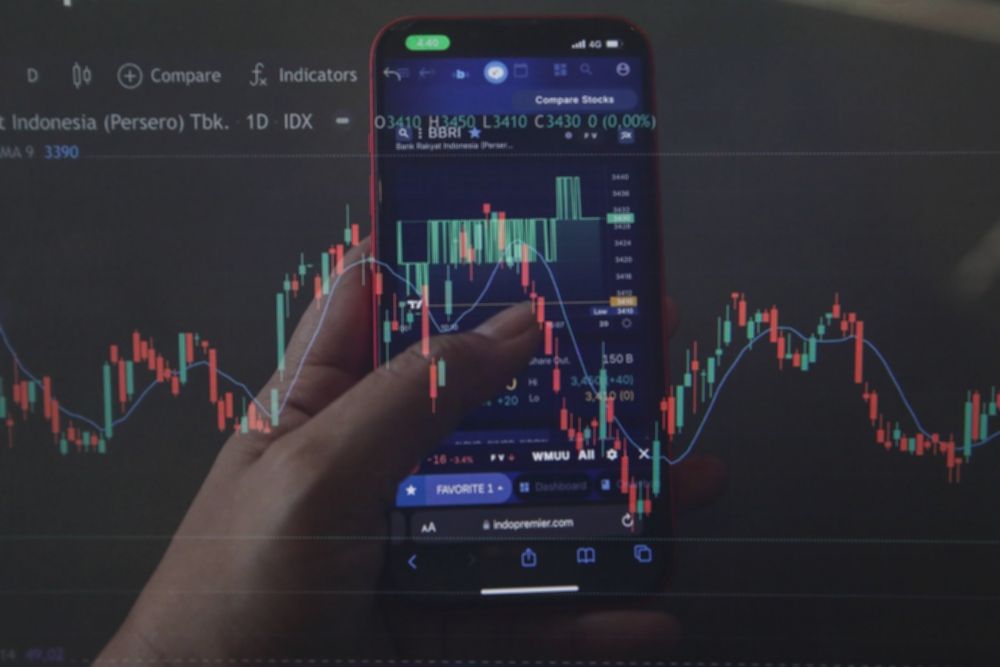
The market’s apprehension is not unfounded. Following the announcement of DSI’s formation on May 21, 2026, the Indonesia Composite Index (IHSG) dropped by 3.54% in a single day. This sharp reaction highlights investor anxiety over increased state intervention in the national commodities trade.
Nafan identifies three primary factors driving this negative sentiment. First is operational uncertainty. Previously, exports operated on a business-to-business (B2B) basis. Shifting to a centralized gate leaves investors questioning the technical readiness of the new system and fearing that bureaucratic bottlenecks could disrupt commodity issuers’ cash flows.
“Markets despise uncertainty. Any logistical or bureaucratic hurdle threatens the efficiency of commodity-linked revenue streams,” he noted.
Second, there are fears regarding market monopoly and distorted pricing mechanisms. Investors are concerned that if DSI lacks robust trading and risk management capabilities, it could impose rigid pricing structures or new levies, stripping exporters of their ability to capitalize on global commodity price surges.
Third, there is the risk to domestic market liquidity. The natural resource sector—represented by the IDX Energy and IDX Basic indices—has long been a primary source of Indonesia’s foreign exchange earnings and a key driver of foreign capital in the stock market.
Despite these concerns, the government maintains that DSI serves a strategic purpose: to strengthen export oversight and close loopholes that allow for under-invoicing. Finance Minister Purbaya asserts that the single-window export concept will provide authorities with full visibility into export volumes, actual selling prices, and the flow of foreign exchange earnings.
Summary
The implementation of Indonesia’s single-door export policy through PT Danantara Sumberdaya Indonesia (DSI) has triggered a significant market sell-off due to concerns over government intervention and potential bureaucratic inefficiencies. While the government intends for the policy to curb transfer pricing and under-invoicing, analysts worry that shifting trade transactions to a state-backed institution could create operational bottlenecks and disrupt cash flows for commodity issuers. Investors fear that the transition from a traditional business-to-business model to a centralized system may introduce risks related to governance, market monopoly, and reduced liquidity.
Market skepticism remains high, as evidenced by the 3.54% drop in the Indonesia Composite Index following the initial announcement. Experts emphasize that the success of the initiative depends on DSI’s ability to maintain high compliance standards without hindering the speed and certainty of international commodity trade. Ultimately, the market is closely monitoring whether the promised transparency gains will outweigh the opportunity costs and logistical hurdles associated with this new oversight framework.