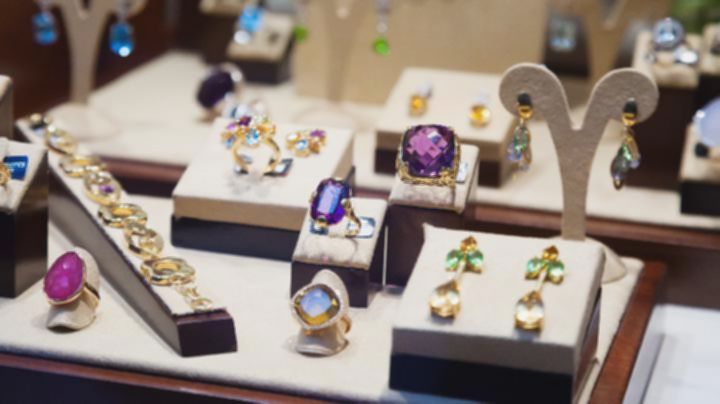

Indonesia’s Minister of Industry, Agus Gumiwang Kartasasmita, remains confident in the enduring allure of gold jewelry investment, even amidst a growing trend towards purchasing precious metals.
Speaking in a written statement on Friday, May 29, 2026, Agus emphasized that, from a broader perspective, individuals will perpetually acquire gold, silver, gemstones, and precious stones. This continuous demand stems from their dual utility: serving both as a tangible investment asset and a versatile, collectible accessory.
Agus acknowledged that a surge in gold prices in late 2025 indeed spurred public interest in precious metals as an investment vehicle. Nevertheless, he asserted that jewelry retains its significance, not merely as a financial asset but also as a distinctive product blending fashion and collectibility.
Further illustrating market trends, Agus cited data from the World Gold Council, which revealed a consistent 16 percent annual increase in global gold bar demand, reaching 1,402 tons in 2025. In contrast, Indonesia witnessed a 27 percent decline in gold jewelry consumption, falling from 22.8 tons in 2024 to 16.6 tons in 2025.
Despite this dip, Agus maintained that the reduction does not inherently undermine the performance of the national jewelry industry. On the contrary, he highlighted the sector’s substantial contribution to Indonesia’s trade balance, underscoring its continued economic significance.
This resilience is further evidenced by a remarkable 64.72 percent growth in cumulative exports of jewelry and precious goods in 2025. The value soared from US$5.5 billion in 2024 to an impressive US$9.1 billion in 2025, demonstrating the sector’s robust international presence.
Echoing this sentiment, Reni Yanita, Director General of Small, Medium, and Miscellaneous Industries at the Ministry of Industry, affirmed that the majority of small and medium-sized enterprises (SMEs) in the jewelry sector are choosing to maintain their focus on jewelry production rather than transitioning into the precious metals business.
According to data from the Central Statistics Agency (BPS) and SIINas, Indonesia’s jewelry industry comprises 539 business units: 49 large industries, 79 medium industries, and 411 small industries. This thriving sector collectively employs 21,116 workers across the archipelago, showcasing its significant role in job creation.
Moreover, Trademap.org reports indicate that 83.96 percent of Indonesia’s primary jewelry exports consist of jewelry articles and their parts made from precious metals (excluding silver), amounting to a substantial US$7.64 billion.
Reni attributed the competitive edge of the Indonesian jewelry industry to its unparalleled design creativity and the distinctive touch of local cultural identity, which together form a unique appeal in the global marketplace.
She also highlighted the industry’s flexibility to innovate with diverse materials, including gold, silver, and other minerals, adapting effectively to prevailing market conditions and raw material procurement capabilities.
Meanwhile, Reny Meilany, Director of Miscellaneous Industries within the Directorate General of Small, Medium, and Miscellaneous Industries, emphasized that consumers still enjoy a wide array of options for investing in gold jewelry, available in various karats and grammages. She noted that for local consumers, attractive designs combined with smaller karats and grammages of gold jewelry remain a preferred form of savings and investment.
However, not all industry players are poised to enter the direct precious metals business, according to Eddy Yahya, President Director of PT Untung Bersama Sejahtera (UBS). He cautioned that this particular sector demands robust branding and an unwavering guarantee of product security as an investment instrument.
Yahya further elaborated that businesses cannot expand into this area indiscriminately, as raw material prices fluctuate almost daily. Simultaneously, consumers increasingly favor products with lower gold content or grammage for greater efficiency, posing additional market challenges.
Editor’s Choice: How Promising Are Gold-Based Mutual Fund Investments?
Summary
Indonesia’s Minister of Industry maintains confidence in gold jewelry’s enduring appeal as both an investment and a collectible accessory, despite increased public interest in pure precious metals. While domestic gold jewelry consumption declined by 27% in 2025, the national industry significantly contributed to the trade balance. This resilience is underscored by a remarkable 64.72% growth in cumulative exports of jewelry and precious goods, soaring to US$9.1 billion in 2025.
The thriving Indonesian jewelry sector encompasses 539 business units, employing over 21,000 workers. Its competitive advantages lie in unique design creativity, local cultural identity, and flexibility in material use, with over 83% of exports being precious metal jewelry. Most SMEs continue focusing on jewelry production, catering to local consumers who prefer attractive designs with smaller karats for savings and investment.