
The Indonesian government is set to roll out a comprehensive stimulus package worth Rp 7.8 trillion to bolster economic growth throughout the second half of 2026. This multi-sectoral initiative includes a strategic mix of measures, ranging from significant transportation discounts to targeted tax incentives designed to maintain economic momentum.
Coordinating Minister for Economic Affairs, Airlangga Hartarto, unveiled the plan following a limited coordination meeting at his office on Tuesday, May 26, 2026. He explained that the package will be implemented starting in the second quarter of 2026 and will extend through the latter half of the year. “This is partly for the second semester,” he noted.
One of the key fiscal measures detailed by Airlangga is a tax incentive specifically for the creative industry. Authors will benefit from a 1.5 percent final Income Tax (PPh) on royalties. This tax reduction will be applied automatically to all writers, provided their books are registered with a valid International Standard Book Number (ISBN).
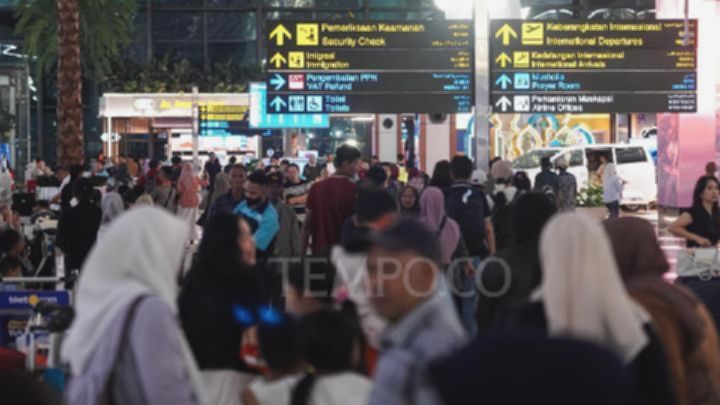
To stimulate domestic mobility and tourism, the government has allocated substantial funds for transportation discounts during the 2026 school holidays and the year-end Christmas and New Year (Nataru) period. For the school holiday period, a budget of Rp 190.5 billion has been earmarked, aiming to reach over 3 million beneficiaries.
Specific transportation incentives for the mid-year period include a 30 percent fare discount for railway passengers from June 20 to July 5, 2026. Additionally, sea travelers using PT Pelni services will receive a 30 percent discount on base fares from June 20 to August 15, 2026, while ASDP ferry users will enjoy a total waiver on port service fees between June 20 and July 5, 2026.
For the year-end holiday season, the government has prepared a budget of Rp 161.4 billion to support approximately 2.8 million travelers. This includes another 30 percent discount on train tickets from December 22, 2026, to January 4, 2027, and a 30 percent reduction for PT Pelni sea transport from December 17, 2026, to January 10, 2027. ASDP port fees will also be waived from December 22, 2026, to January 10, 2027.
The aviation sector will receive a significant boost through 100 percent Government-Borne Value Added Tax (PPN DTP) on domestic economy-class flight tickets. For the school holiday window (June 24–July 5, 2026), the government has allocated Rp 472.7 billion, targeting 2.3 million passengers. During the Nataru period (December 22, 2026, to January 10, 2027), the PPN DTP budget increases to Rp 722 billion for 3.7 million passengers. During this year-end period, travelers will also receive 50 percent discounts on Airport Tax (PJP2U) and PJP4U.
Beyond transportation and taxes, the stimulus package emphasizes human capital development. The National Internship Program will enter its fourth phase in July 2026 with a substantial Rp 4.14 trillion budget, aiming to support 150,000 participants. Furthermore, a Rp 2.12 trillion fund has been allocated for national vocational programs targeting 220,000 vocational high school (SMK) graduates and 50,000 workers who have been affected by layoffs.
Editor’s Choice: Who Benefits from the 5.61 Percent Economic Growth Anomaly
Summary
The Indonesian government is launching a Rp 7.8 trillion stimulus package for the second half of 2026 to boost economic growth. This package, unveiled by Coordinating Minister for Economic Affairs Airlangga Hartarto, includes transportation discounts and targeted tax incentives. A key fiscal measure is a 1.5 percent final Income Tax on royalties for authors whose books are registered with an ISBN.
Significant allocations are made for transportation discounts during school holidays and the year-end festive season, covering rail, sea, and ferry travel with various percentage reductions and fee waivers. The aviation sector benefits from 100 percent Government-Borne Value Added Tax on domestic economy-class flight tickets, with substantial budgets for both holiday periods. The package also includes a large budget for the National Internship Program and vocational programs aimed at SMK graduates and laid-off workers.